 So… it’s been awhile since I updated the world on vehicle prep progress. As I write this, I am gazing at an empty driveway – the Landrover is up in Newcastle at SpannerMonkeys getting its underbelly tickled, and the Jaguar is at the chop-shop having all its ailments treated in preparation for shipping back to NZ to be put on ice for awhile…
SpannerMonkeys – great people, I can thoroughly reccommend them to anyone else wanting open heart surgery on an aging Land Rover. The list of jobs they are ticking off for me is significant: a new hot-dip galvanised chassis (painted black so as not to scream “steal me”), new bushes all round, new brake lines and calipers, a 2″ suspension lift (heavy duty springs at the front, +2″ spacers under the bags at the rear), the engine bay and underside will be stripped and coated in “Lizard Skin” to enable easy cleaning, a bit of cutting and welding, new high pressure hydraulic lines for the ACE system (Active Corner Enhancement). There are also a few electical niggles that are being sorted, and they are fitting my front and rear airlocking differentials as well as some Safari Equip long range stainless fuel tanks – we will have 160l in total onboard, plus a 20l jerrycan – so should get around 2000km before sucking fumes.
Waiting here in the garage for fitting is a 60l stainless water tank that will go in the footwell under the kids feet, angry steel bumpers front and rear (I am still deciding on what winch and rock sliders to get). I need to fabricate a shelving solution that takes my rear fridge/freezer into account as well… it slides out halfway for easy access, but Scotland taught me that unpacking around it a few times a day is a pain in the bum.
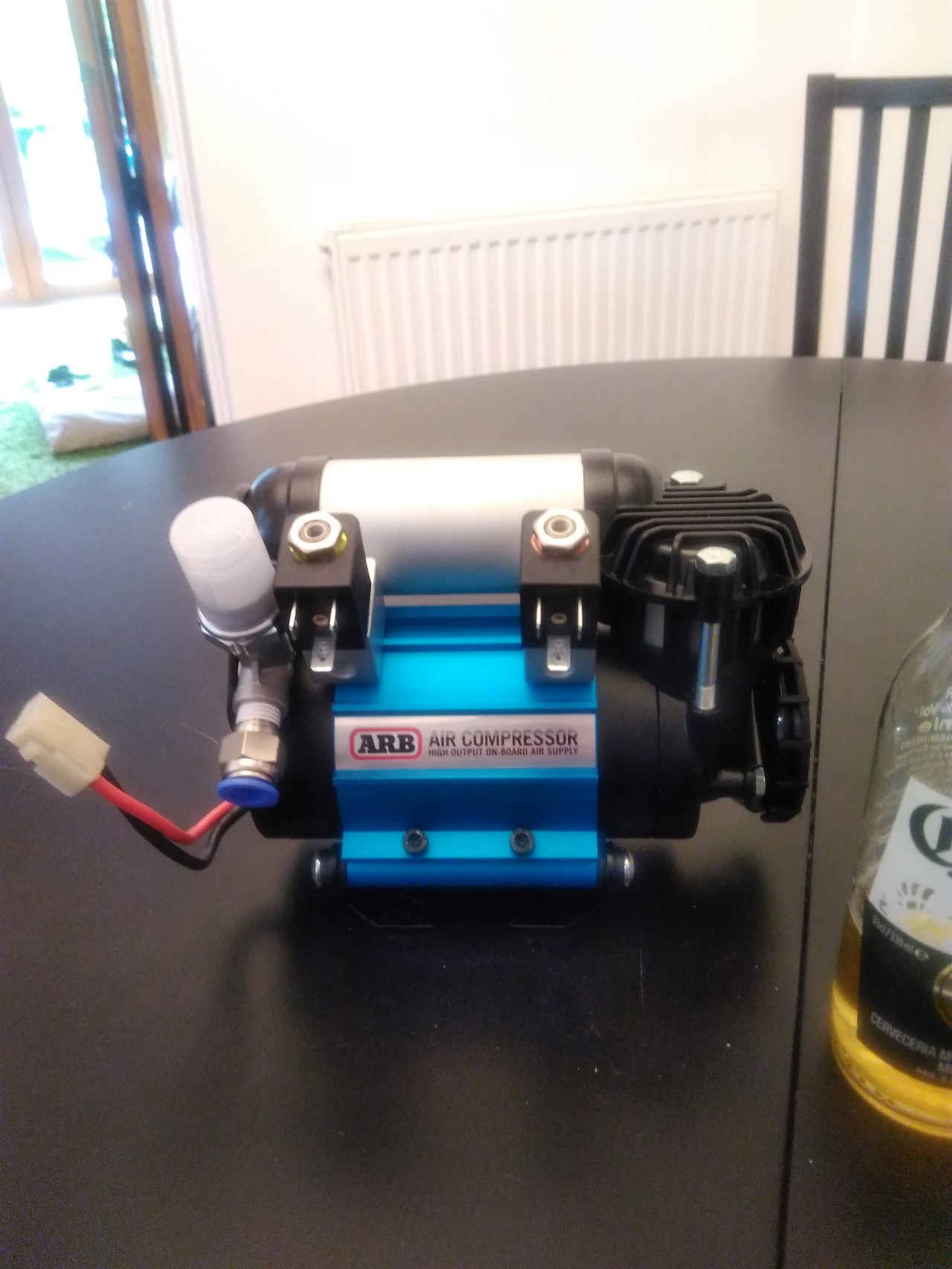
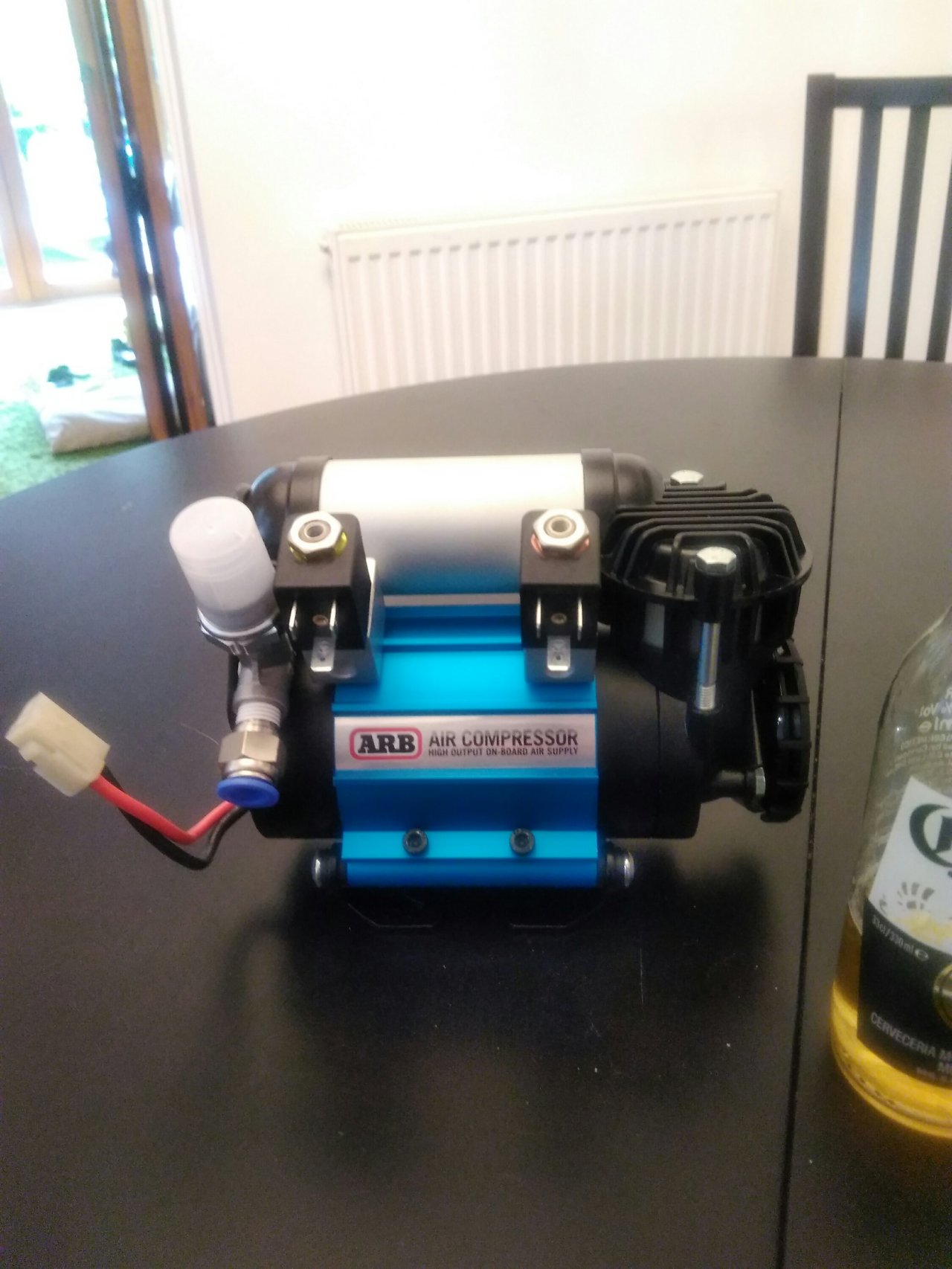
I have delayed the writeup on rear electrics and onboard air, as I had to strip the vehicle completely before delivering it to SpannerMonkeys, when I reassemble I will take better photos and do a proper writeup.
So – only a few big purchases left: a winch (choices, choices…), tree/rock sliders, anti-truckdriver spotlights… maybe a fat airhorn. 16″ steel rims and agressive tires (I am a bit torn on what tires to buy, down to BFG or Cooper).
I have also started the painful process of working out what tools I *really* need to take. Harder than it sounds…
Getting there, slowly but surely. Ireland and Isle of Man in a few weeks for more shakedown time!


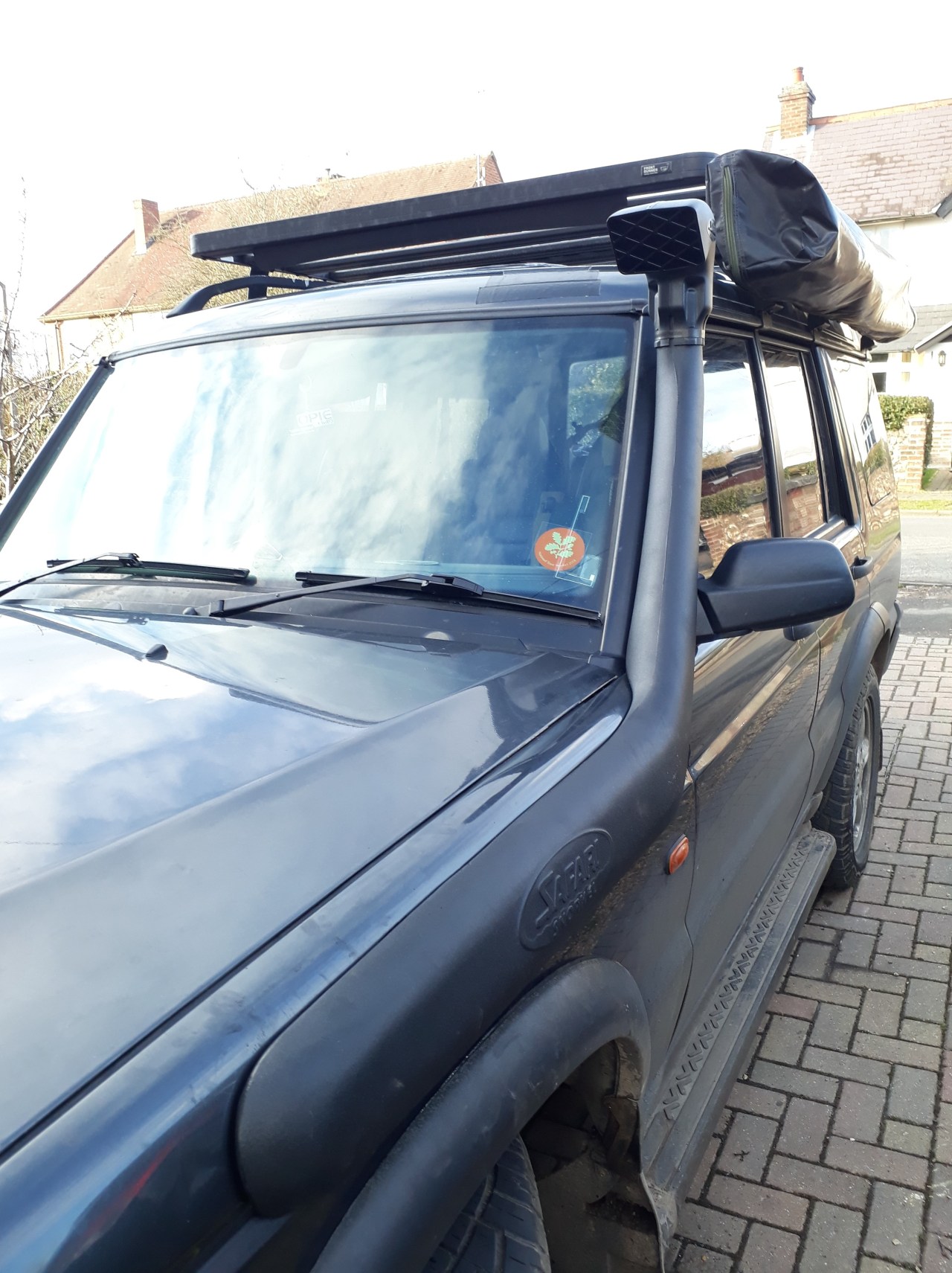
 So why fit a snorkel? 2 reasons – in dusty conditions (think deserts) the air at the roofline tends to be a bit cleaner than the air that is sucked in through the wing, and in stock configuration the “safe” wading depth of a Discovery 2 is only 500mm. Which isn’t really very deep at all. It is an absolute certainty that we will need to go swimming a bit deeper than that. Raising the air intake by about a metre, as well as extending the transmission and differential breather pipes (planning this one at the moment) gives us peace of mind in this area.
 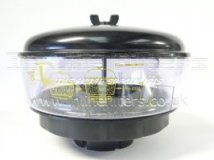 We are also considering replacing the “Ram” snorkel head for a centrifugal pre-filter – these are very effective at removing 90% + of dust from the air, before it gets to the normal paper filter in the airbox. BUT – they do slightly restrict airflow. We shall see…
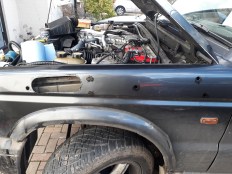 Cutting holes in a car is scary. Very scary. Safari provide a handy template to tape to the wing, clearly showing where to drill and cut, but even so…
 Deburred, then painted with hammerite. Essentially, the snorkel bolts through those holes, and mates with the original air box (gunged up with copious quantities of sensor-safe silicone). Obviously the drain holes in the air box are also blocked with silicone. The snorkel is then riveted to the A Pillar, the air ram slapped on top, and job done…


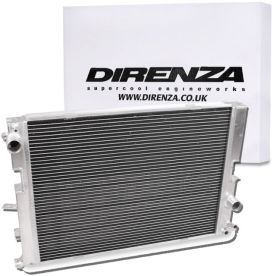 We also had them swap out the slightly ropey original radiator for an uprated alloy one – 30% increase in cooling capacity, which will come in useful in the desert! I can confirm that it works as advertised – pre-works, the block temperature after a long run was around 74 degrees, now its under 60 – in reality, too much cooling for the UK, might need to do some tactical airflow blocking until it gets warmer, as the heaters are struggling.


