*** This is the first Blog post by Eleanor Jack, age 7 and a bit***
For the last week and a half I have been in Scotland with my sister Vivi, Daddy and our friend Bos.


I went on 5 ferries on the last one I went on I saw a porpoise and on the first one I went on was the longest.
We bought a shopkin fairy cake mix and baked it on the bbq. They were really yummy and I put shopkins on them.
Daddy bought me a very nice blue Harris Tweed hat which my Mum wants to steal.
We camped every night in our roof tent and Daddy got midged 8556 times. He said some bad words.


We went to 14 beaches. Some were stony and some were sandy. Some had rockpools. We saw some crabs and rescued a starfish by putting him back into the water.


We went to Dunvegan Castle for breakfast and saw lots of fairy homes and the Fairy Flag. Its famous.
We went on a treasure hunt in Portree to find a present left by my friend. It’s on Skye.
My holiday was the second best ever because Mummy wasn’t there.


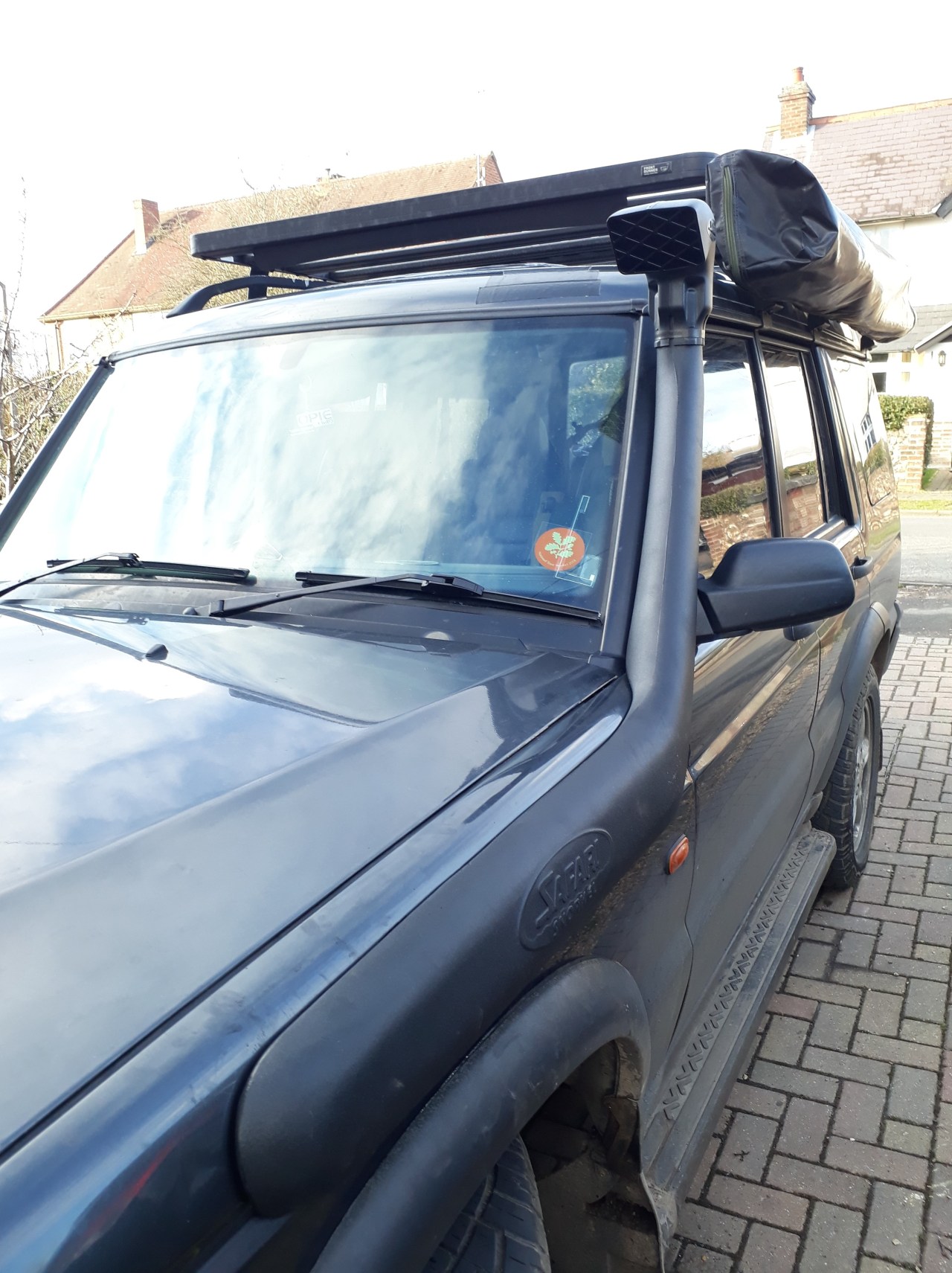
 So why fit a snorkel? 2 reasons – in dusty conditions (think deserts) the air at the roofline tends to be a bit cleaner than the air that is sucked in through the wing, and in stock configuration the “safe” wading depth of a Discovery 2 is only 500mm. Which isn’t really very deep at all. It is an absolute certainty that we will need to go swimming a bit deeper than that. Raising the air intake by about a metre, as well as extending the transmission and differential breather pipes (planning this one at the moment) gives us peace of mind in this area.
 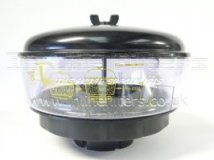 We are also considering replacing the “Ram” snorkel head for a centrifugal pre-filter – these are very effective at removing 90% + of dust from the air, before it gets to the normal paper filter in the airbox. BUT – they do slightly restrict airflow. We shall see…
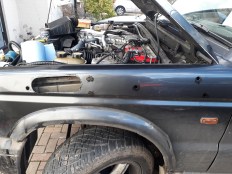 Cutting holes in a car is scary. Very scary. Safari provide a handy template to tape to the wing, clearly showing where to drill and cut, but even so…
 Deburred, then painted with hammerite. Essentially, the snorkel bolts through those holes, and mates with the original air box (gunged up with copious quantities of sensor-safe silicone). Obviously the drain holes in the air box are also blocked with silicone. The snorkel is then riveted to the A Pillar, the air ram slapped on top, and job done…
 roaming.kiwi